Emergency lighting is not just a tick-box requirement—it’s a lifesaving safety feature. Whether you manage a shop in Huddersfield, an office in Batley, or a rental property in Mirfield, you are legally required to ensure your emergency lighting works correctly.
In the UK, BS 5266 sets strict standards for design, testing, and maintenance. Yet, many West Yorkshire businesses still fall into the same costly and dangerous traps. Let’s explore the five most common emergency lighting mistakes and how you can avoid them.
Why Is Emergency Lighting So Important in the UK?
If the power fails during a fire or blackout, people still need to exit the building safely. Emergency lighting provides the visibility needed to guide occupants to safety.
Without compliant emergency lighting, you risk:
- Failing a fire safety inspection.
- Facing legal penalties.
- Putting lives at risk.
In West Yorkshire and Huddersfield, many property owners only realise the importance of these systems after an incident—by then, it’s too late.
Mistake 1 – Skipping Regular Testing and Maintenance
How often should emergency lighting be tested?
UK law requires:
- Monthly functional tests to check operation.
- Annual full-duration tests to ensure lights work for the required backup period (typically 3 hours).
Neglecting these checks can mean your lights fail during an emergency. Even new systems can develop faults without regular maintenance.
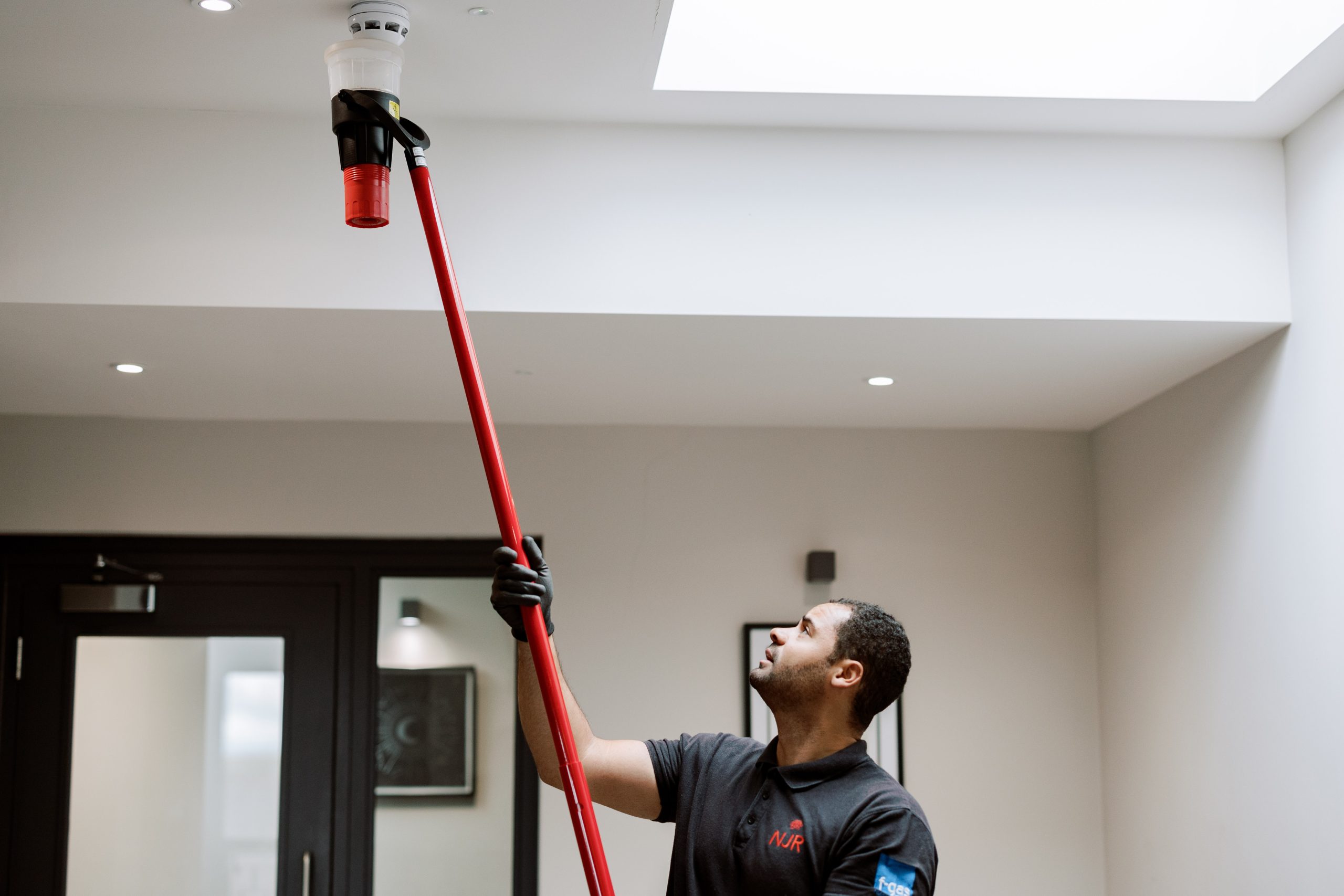
Quick fix: Schedule routine inspections with a qualified electrical contractor who understands local compliance requirements.
Mistake 2 – Poor or Non-Compliant Lighting Design
Emergency lighting must provide uniform, adequate coverage—no dark corners, no confusion in escape routes. A poorly designed system may pass initial installation but fail during an evacuation.
Common design errors include:
- Installing too few luminaires.
- Poor placement leading to shadows.
- Not illuminating key areas like stairwells and exit doors.
Quick fix: Use a certified engineer to design your system to BS 5266 standards, tailored for your building layout.
Mistake 3 – Using Low-Quality or Outdated Luminaires
Cheaper fittings might save money upfront but often fail sooner, emit dimmer light, and may not meet safety standards.
Risks of poor-quality units:
- Short lifespan.
- Dim output affecting visibility.
- Potential fire hazards.
Quick fix: Choose modern LED emergency lighting, which is brighter, more reliable, and energy-efficient.
Mistake 4 – Ignoring Battery Health and Backup Duration
Why does battery life matter in emergency lighting?
If your batteries can’t power the lights for at least 3 hours, you’re non-compliant—and unsafe.
Warning signs your batteries are failing:
- Lights flicker during tests.
- Shorter illumination time.
- Batteries more than 4 years old.
Quick fix: Include battery testing in your annual inspection and replace units before they fail.
Mistake 5 – Poor Documentation and Record Keeping
In West Yorkshire, fire safety officers often request your emergency lighting logbook during inspections. Without it, you can face fines—even if your system works perfectly.
Quick fix: Keep a dedicated logbook (paper or digital) showing every monthly and annual test, repairs, and upgrades.
Bonus Mistake – Assuming “It’ll Work When Needed”
This is the most dangerous mindset. Emergency lighting is often ignored until an incident happens—by which time it may be too late.
Example: In one West Yorkshire retail unit, a full power failure revealed half the escape route lights were out due to a blown fuse—something that would have been spotted in a routine test.
Read More About: How to Choose Right Emergency Lighting System
How to Ensure Your Emergency Lighting Meets UK Standards
Your action plan:
- Have your system designed or reviewed by a qualified engineer.
- Test monthly and yearly in line with BS 5266.
- Keep records updated and accessible.
- Upgrade to modern, energy-efficient fittings.
Local help: At NJR Electrical and Fire, we provide emergency lighting installation, testing, and maintenance across West Yorkshire, including Huddersfield, Mirfield, Batley, and surrounding areas.
📞 Call us today on 01344 921501 to keep your building safe, compliant, and ready for anything.