Tangled electrical wires, exposed circuit boards, a burning smell, or multiple extension cords running from a single outlet are frequently seen in older homes. These electrical issues are common and can be a major source of frustration for residents. Often, they stem from outdated or faulty electrical installations that no longer meet modern safety standards. In this blog, we will explore 10 common old home wiring issues and how you can solve them effectively.
10 Electrical Problems in Old Houses and How to Solve Them
Here are top 10 most problematic household electrical problems and their simple solutions;
Uncovered Junction Box
A person could unintentionally damage the wires or receive a shock since a junction box contains the splices where wires are joined to one another. As long as the wires are out of reach, it is not really harmful.
Solution: Purchase a replacement cover for a few cents and use the included screws to attach it.
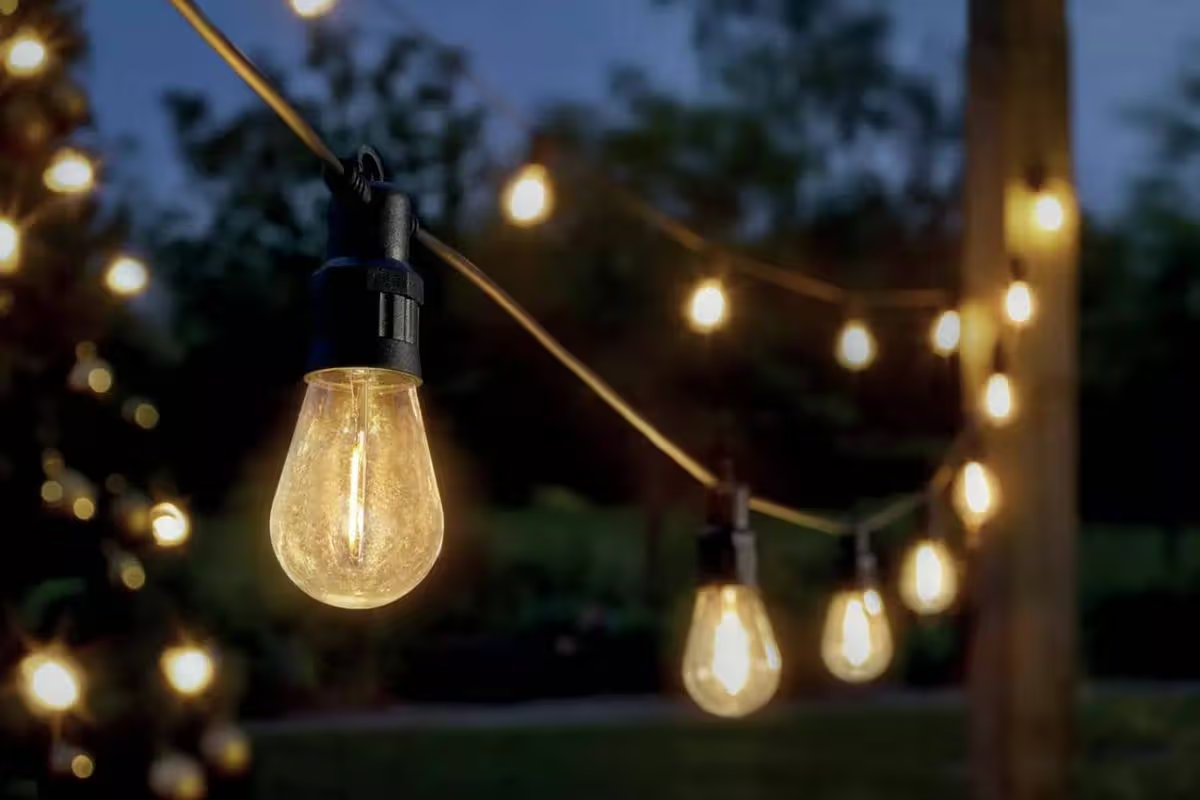
Overlamping
A lightbulb in a fixture has a higher wattage than what the fixture is intended to use. The socket may be burned due to heated bulbs. Even after removing the bulb, the socket and wires are still damaged.
Solution: You should only use 60-watt or less bulbs in older, unlabeled fixtures. Use LED bulbs because they generate less heat and consume less energy.
Absence of GFCIs
Frequently wet spaces like kitchens and bathrooms are more likely to cause electrocution. This is one of the common household electrical problems. Ground-fault circuit interrupters, or GFCIs, cut off circuits four milliseconds before a current may shock someone to death.
Solution: Install GFCIs in place of outdated outlets.
Burning smells and Buzzing Noises
Never disregard strange noises or smells coming from switches, outlets, or appliances. These are warning signs of potentially harmful electrical problems. These are commonly seen household electrical problems that can be caused by loose wiring, malfunctioning appliances, or extremely hot switches. This could lead to melting Internal plastic.
Solution: Unplug the appliances and switch off the electricity right away. Avoid using a switch or outlet until a qualified electrician has inspected and fixed the problem.
Burning Out Light Bulbs Often
Burt lights or bulbs are associated with old wiring in house. If light bulbs are going out too soon, there may be an electrical issue that hasn’t been fixed yet. It can be due to increased voltage, rusted or loose joints, fluctuation in electrical flow, or outdated bulbs.
Solution: Make use of premium bulbs that work with your fixtures. Check for problems with voltage and tighten any loose connections.
Visual Signals
The most noticeable indications of household electrical wiring problems are frequently visual cues. It’s critical to take quick action to address any of these symptoms in order to stop more harm or possible dangers.
Solution: Change burned or discoloured switches. Change circuit breakers that trips frequently. Old electrical wiring is often exposed, you should change or cover those wires too.
Frequently Tripped Circuit Breakers
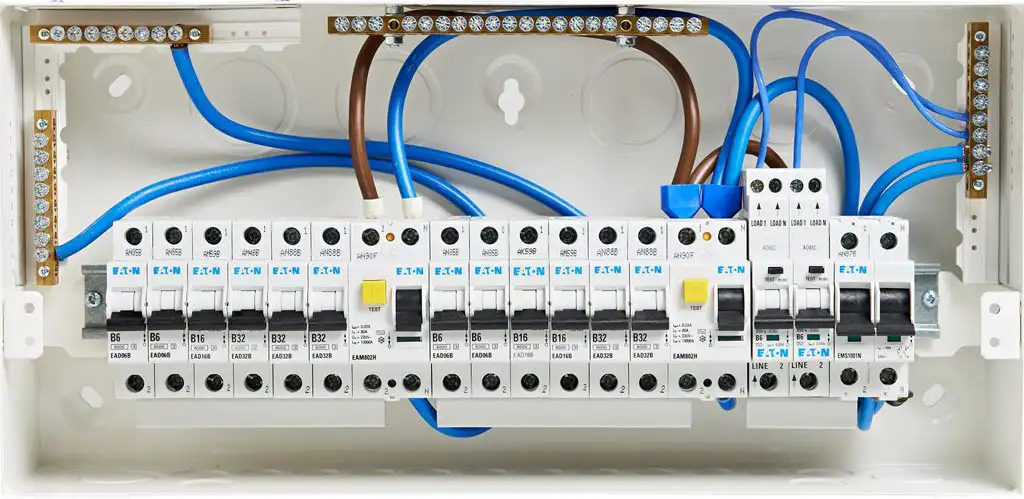
Circuit breakers are made to guard against short circuits and overloads in your electrical system. Your circuit breaker is a sign of an underlying issue if it trips repeatedly. You may face these household electrical problems due to overload circuits, broken breakers, or electrical short circuits in the house that might not be readily apparent.
Solution: To lessen the electrical burden, unplug any devices that are not in use. Distribute the appliances among several outlets. Contact an expert to improve the system or check for electrical problems if the breaker keeps tripping.
Old Wiring’s Effect on Energy Costs
Old home wirings might use higher energy and that leads to more energy cost. Heat produced by loose connections might waste electricity. Older wiring might not be able to adequately support energy-efficient appliances. Old wire resistance might result in voltage dips, which can make appliances work harder. If you are an old home owner and facing high electricity bills, then your wiring in house might be the main reason.
Solution: All you can do is to contact a professional electric service like NJR Electrical and Fire to rule out electrical issues in your house.

Regular Short Circuits in the Electrical System
When an electrical connection is broken, an excessive current flow results, which is known as a short circuit. It may result in tripped breakers, burning odours, or sparks. A short circuit can result in serious harm or perhaps fire if it is not stopped.
Solution: Isolating the damaged circuit by tripping the circuit breaker or unplugging gadgets is the first thing to do when a short circuit happens. The problem should then be identified and fixed by a competent electrician.
Insulation Damage or Bad Wiring in House
Bad wiring is another frequently seen household electrical problem. You may experience loose electrical connections. Damage caused by pests, especially insects or rats that gnaw through cables.
Solution: As soon as you notice a short circuit, turn off the power source. Replace any defective parts or broken wiring. Contact a qualified electrical service team to resolve an old home wiring issue.
Conclusion
Even though old constructed household electrical problems are frequent, you can maintain the safety and functionality of your house with the correct information and prompt action. Safety should always come first, and if in doubt, seek advice from a qualified electric service such as NJR electric and fire team in areas of Essex including Romford, Maldon, Romford, and more.
Frequently Asked Questions
Q1. What wires do old houses have?
Knob and tube wiring: Used in homes built before 1950
Romex wiring: also known as non-metallic sheathed cable, used in residential buildings in the 1960.
Aluminum wiring: Considered as a cheap alternative of copper wiring and popular during 1960 to 1970.
BX wiring: Known as armored cable, was commonly used in homes built after 1950’s.
Q2. Where can an electrical system be found in older homes?
In older homes, the basement, attic, garage, or utility room are frequently where the wiring and service panel for the electrical system are located.
Q3. What are prevalent electrical issues in older houses?
Household electrical problems frequently caused by old-fashioned wiring (such as aluminium or knob-and-tube), a lack of outlets, and overloaded circuits.