Simple electrical safety tips and precautions can help prevent many electrical fires. Regular electrical safety checks are important to ensure the safety of your family members and your appliances. Never delay to seek professional help if you’re facing any electric outlet or appliances faulty issues.
Top 9 Electrical Safety Tips You Should Follow at Home
Nine crucial safety electrical tips that every homeowner should be aware of and adhere to are listed in your home electrical safety checklist below.
1. For Increased Electrical Safety, Follow the Directions on Appliances
“Read the instructions” ought to be the most important piece of advice regarding electrical safety at home. Stop using any device until a certified electrician inspects it for issues if it gives you even a small electrical shock.
2. Avoid Overloading Circuits or Outlets
The majority of outlets only have two plug slots. When using outlet strips with several devices plugged in, exercise caution. Overloading an electrical socket with too many plugs can cause electrical short circuits or fires. A standard circuit is designed to provide maximum 120 to 125 volts. One of the best electrical safety tips is to avoid overloading the circuits to protect your appliances. Try to better disperse the outlets where devices are plugged in instead. If you want more outlets, contact a qualified electrician and add more outlets where you want them.
3. To Avoid Any Mishaps, be Mindful of Water Heaters and Heaters
Portable heaters and built-in furnaces should not be near combustible objects. Combustibles should be kept far from heating units for furnace safety. Portable heaters should only ever be set up on a sturdy surface to avoid tipping, and they should never be used near draperies to ensure electrical safety at home.
4. Install GFCIs, or Ground Fault Circuit Interrupters
Electricity can be cut off at the outlet level with a Ground Fault Circuit Interrupter, or GFCI. GFCI outlets should ideally be installed in bathrooms and kitchens that are close to water sources.
It detects whether a short circuit or an issue with the installation is causing the electrical current to be diverted. The energy supply to the outlet is cut off as a result of this sensor. The homeowners can practice electrical safety tips by cutting off the energy to the broken outlet, to keep protected from fire or electrical faults caused by electrical faults.
5. Follow Electrical Outlet Safety Guidelines
Electrical faults are commonly caused by overloaded electrical sockets. To follow best practices for electrical safety products, check if the outlets are working fine, have protective faceplates, and are not hot while touched. You can adhere to these electrical safety tips, as per ESFI:
- Avoid using multi-outlet converters or extension cords with appliances.
- Each heat-producing device should only be plugged into an outlet at a time.
- Qualified electricians should inspect hot outlets.
- Keep in mind that power strips do not alter the quantity of electricity that an outlet receives; they merely add outlets.
6. Protect Your Appliances and Outlets from Children
Another essential electrical safety tips is to make sure that outlets and appliances at your home are safe for your child or if you have small children or frequently host grandchildren, nephews, or nieces. Choose tamper-resistant containers or cover outlets with safety covers.
Appliances such as electric kettles and blenders should be kept out of children’s reach. Give the kids basic electrical safety advice, such as never tugging on electrical cables, if they are old enough.
7. Don’t Attempt Do-It-Yourself Repairs
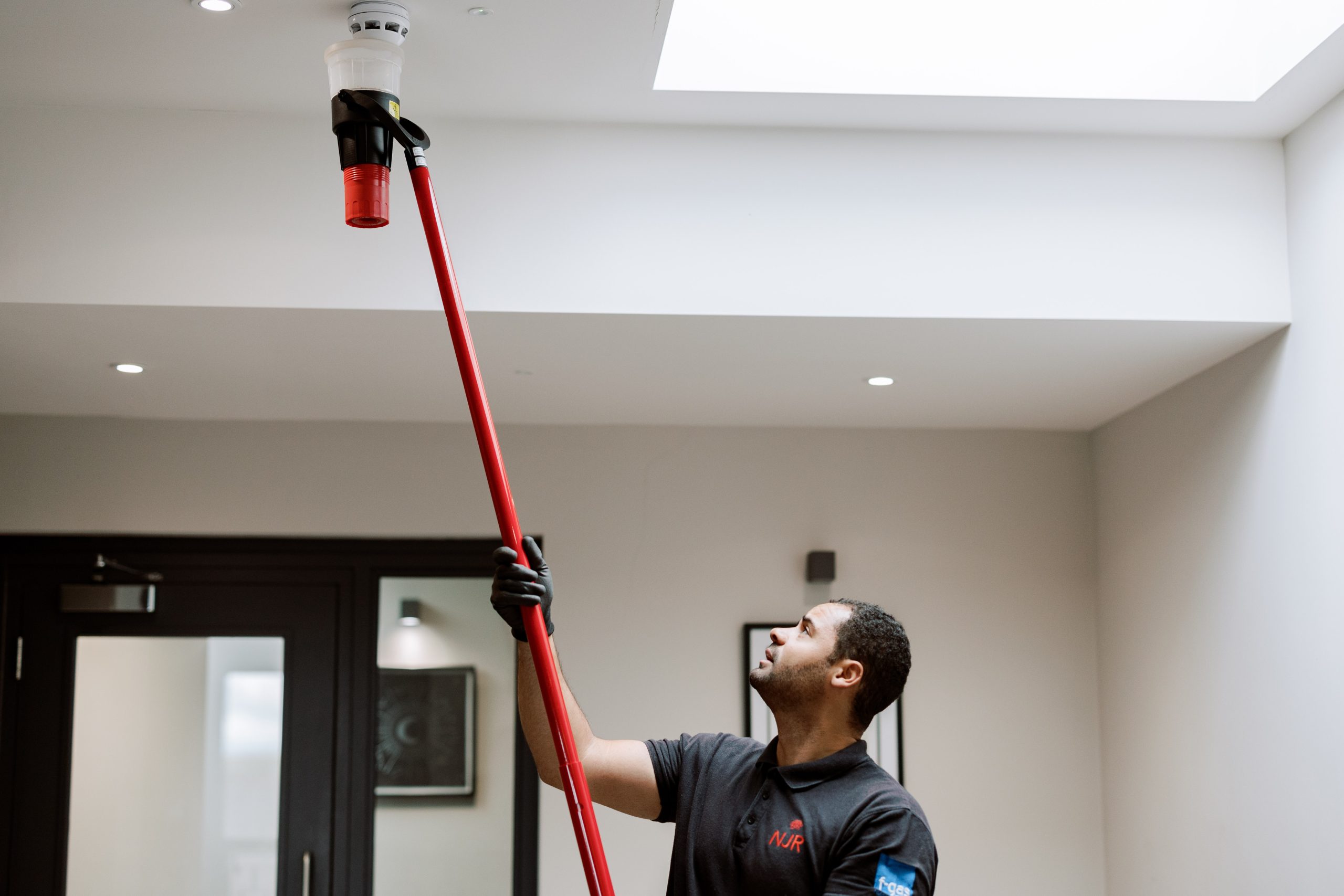
If you have problems with your home’s electrical system. Electricity poses a risk. Let NJR electric and fire trained crew for detailed home electrical safety inspection. To arrange a time for our staff of highly qualified electricians to assess the electrical work in your house.
8. Look for Overheating Outlets
Outlets that are safe to use should always feel cool to the touch. Every now and then, ensure regular electrical safety checks, evaluate the temperature by feeling the outside of each outlet. Turn off the circuit supplying that outlet at the breaker box if it’s warm, or worse, hot, and give a qualified electrician a call right away.
9. Arc-Fault Circuit Interrupters in Place
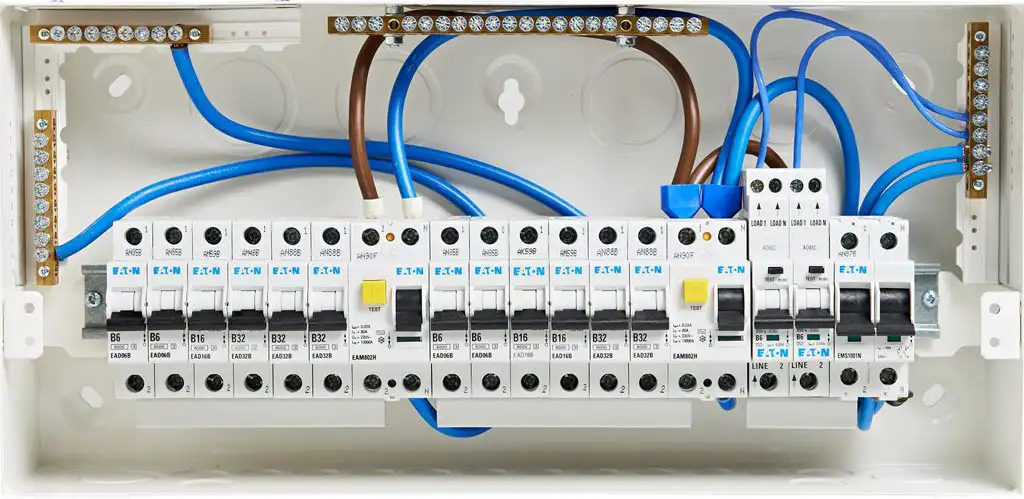
Specialized circuit breakers known as arc-fault circuit interrupters are capable of identifying gradual electrical leaks. Arc faults, also known as electrical leaks, might indicate that electrical wire is weakened but not entirely shorted, which makes them dangerous. Small amounts of electrical energy produced by these arc defects can lead towards sparks. These degraded cables that are still linked to the electrical grid can be hazardous and potentially start electrical fires inside your house if left unattended. After identifying the arc fault, an arc-filter circuit interrupter cuts the circuit. By removing the electrical leak at its source, you can lessen the likelihood that it will persist and safeguard your house.

For More Electrical Safety Tips in West Yorkshire, Contact us Now
To follow best practices for electrical safety products, it is recommended to work with a reliable and certified specialist like NJR Electrical and Fire. Just contact us if you’re from Huddersfield, Bradford, Holmfirth, Birstall or other areas of West Yorkshire, UK if you want a complete home electrical safety inspection.
Frequently Asked Questions
Q1. What are the 3 basic rules of wiring?
The three main rules of wiring are secure connection, appropriate wiring gauge, and safety checks.
Q2. Why should I follow home electrical safety inspection?
Home electrical safety inspection is necessary to protect your family, your home appliances from fire, electrocution, electric shocks or other electrical hazards.
Q3. Why is protection electrical safety equipment important?
Electrical protection equipment such as PPE or specialized personal protection equipment are designed to protect employers from electrical hazards. The first electrical safety tip while initiating some electrical work is to wear PPE.