Regular electrical inspections are an important part of keeping properties, tenants, employees and visitors safe. An Electrical Installation Condition Report (EICR) provides an assessment of the condition of an electrical installation and identifies any defects or potential safety issues.
But how often should an EICR be carried out?
The answer depends on the type of property, how it is used and the condition of the electrical installation. For private landlords in England, electrical installations must generally be inspected and tested at least every five years by a qualified and competent person.
At NJR Electrical & Fire, we provide electrical inspection and testing for landlords, businesses and property owners across Huddersfield, Kirkheaton and the wider West Yorkshire area.
What Is an EICR?
An EICR stands for Electrical Installation Condition Report.
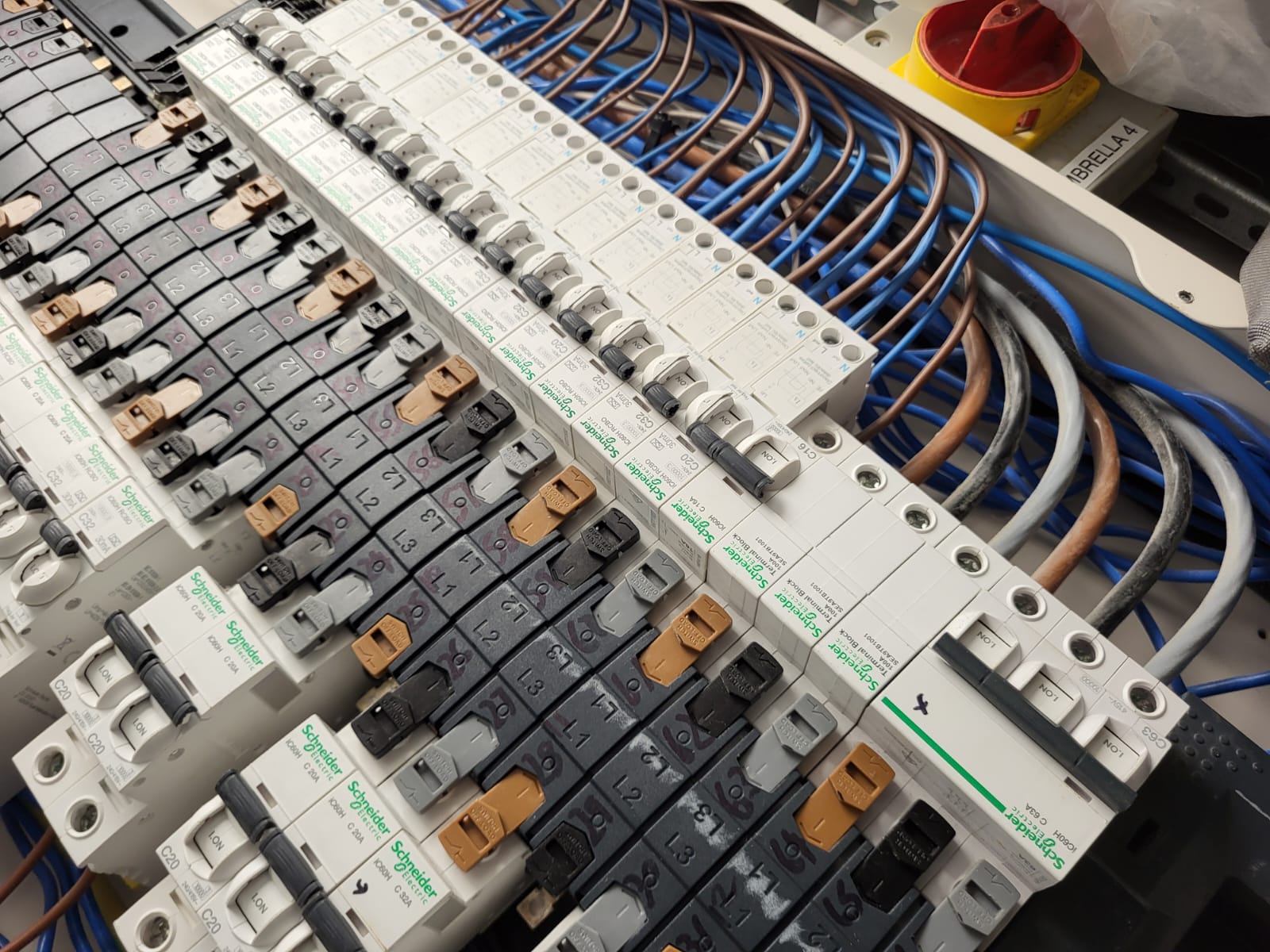
During an EICR, an appropriately qualified electrician inspects and tests the fixed electrical installation within a property. This can include:
- Consumer units and distribution boards
- Wiring and fixed circuits
- Sockets and switches
- Lighting circuits
- Earthing and bonding
- Protective devices
- Electrical connections
- Signs of damage, deterioration or overheating
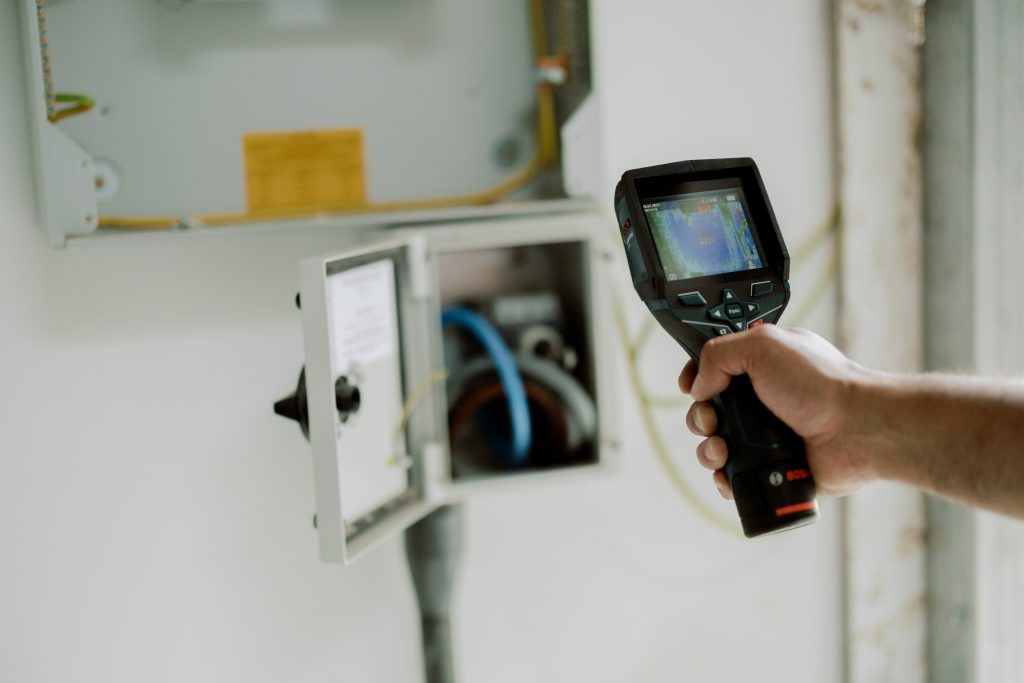
The purpose of an EICR is to assess whether an electrical installation is in a satisfactory condition and identify any defects or potential safety issues.
An EICR is different from simply checking whether lights and sockets are working. Electrical testing can identify problems that may not be visible during everyday use.
How Often Should Landlords Have an EICR?
For private rented properties in England, landlords are required to have the electrical installation inspected and tested at least every five years.
The inspection must be carried out by a person who is competent to undertake the work, and landlords must provide the relevant documentation to tenants and, where required, the local authority.
An EICR may also need to be carried out sooner where the previous report specifies a shorter inspection interval or there are concerns about the condition of the electrical installation.
Landlords should keep records of electrical inspection and testing and ensure any required remedial work is completed within the appropriate timeframe.
How Often Should Businesses Have an EICR?
There isn’t one universal inspection interval that applies to every commercial property.
The recommended frequency can depend on factors such as:
- The type of premises
- How the building is used
- The age and condition of the electrical installation
- The environment
- How heavily the electrical installation is used
- Previous inspection results
- Any changes or alterations to the installation
For some commercial premises, more frequent inspection and testing may be appropriate.
A competent electrical contractor can assess the installation and recommend a suitable inspection interval based on the circumstances of the property.
What Happens During an EICR?
An EICR involves both visual inspection and electrical testing.
An electrician will assess the installation and carry out appropriate tests to check whether circuits and protective measures are operating correctly.
The inspection can identify issues such as:
- Damaged wiring or accessories
- Overloaded circuits
- Poor or deteriorated connections
- Inadequate earthing or bonding
- Incorrect protective devices
- Signs of overheating
- Deterioration due to age or environmental conditions
- Potentially dangerous defects
Once the inspection and testing are complete, the findings are recorded in the EICR.
What Do C1, C2 and C3 Mean on an EICR?
If defects are identified, they are given different classifications depending on their severity.
C1 – Danger Present
A C1 indicates that danger is present and there is a risk of injury. Immediate action is normally required.
C2 – Potentially Dangerous
A C2 indicates a potentially dangerous condition that requires urgent remedial action.
C3 – Improvement Recommended
A C3 indicates that improvement is recommended. It does not necessarily mean that the installation is unsafe, but upgrading the item would improve the installation.
You may also see FI – Further Investigation Required where more investigation is needed before the condition of the installation can be determined.
What Happens If an EICR Finds Problems?
An EICR isn’t simply about identifying problems. It provides a clear picture of the condition of the electrical installation and highlights any issues that require attention.
Where defects are identified, the electrician can explain what needs to be addressed and why.
For landlords, businesses and property managers, dealing with electrical issues promptly can help maintain a safe electrical installation and prevent minor defects from developing into more significant problems.
At NJR Electrical & Fire, we can also undertake electrical remedial works where issues are identified during inspection and testing.
Do New Electrical Installations Need an EICR?
An EICR is generally intended to assess the condition of an existing electrical installation.
New electrical installations and alterations are subject to their own inspection, testing and certification requirements.
Once an installation has been in use, periodic inspection and testing may become appropriate depending on the property and its circumstances.
It’s important not to assume that an installation is safe simply because it has previously been inspected or because it is relatively new.
Why Are Regular Electrical Inspections Important?
Electrical installations can deteriorate over time, particularly in environments where equipment is used frequently or where installations are exposed to heat, moisture, dust or mechanical damage.
Regular inspection and testing can help identify issues before they become more serious.
For landlords, it can form an important part of maintaining electrical safety within rented properties.
For businesses, planned inspection and maintenance can help support a safe working environment while identifying electrical issues that could affect the reliability of the installation.
Need an EICR in Huddersfield or West Yorkshire?
Whether you’re a landlord, property manager or business owner, NJR Electrical & Fire can provide electrical inspection and testing tailored to your property.
Based in Kirkheaton, Huddersfield, we provide electrical services across Huddersfield, Leeds, Bradford, Wakefield and surrounding areas.
Our electrical services include:
- EICRs and electrical testing and inspection
- Electrical remedial works
- Commercial electrical installations
- Electrical maintenance
- Emergency lighting
- Fire alarm systems
- Electrical design and consultancy
Need an EICR? Get in touch with NJR Electrical & Fire Ltd to discuss your requirements or arrange an inspection.
Frequently Asked Questions
How often should a landlord have an EICR?
Private landlords in England must generally have the electrical installation inspected and tested at least every five years. A shorter interval may be appropriate depending on the findings of the previous inspection.
How long does an EICR take?
The time required depends on the size, complexity and condition of the electrical installation. A larger commercial property will generally require more time than a smaller domestic property.
What happens if an EICR identifies problems?
Any issues found during the inspection are recorded and given an appropriate classification. Where remedial work is required, this should be addressed within the appropriate timeframe.
Can an EICR be carried out while a property is occupied?
In many cases, yes. However, access to electrical equipment and circuits will be required, and parts of the electrical installation may need to be isolated during testing.
Do commercial properties need an EICR?
Commercial electrical installations should be inspected and tested at appropriate intervals based on factors such as the type and use of the premises, the condition of the installation and previous inspection results.