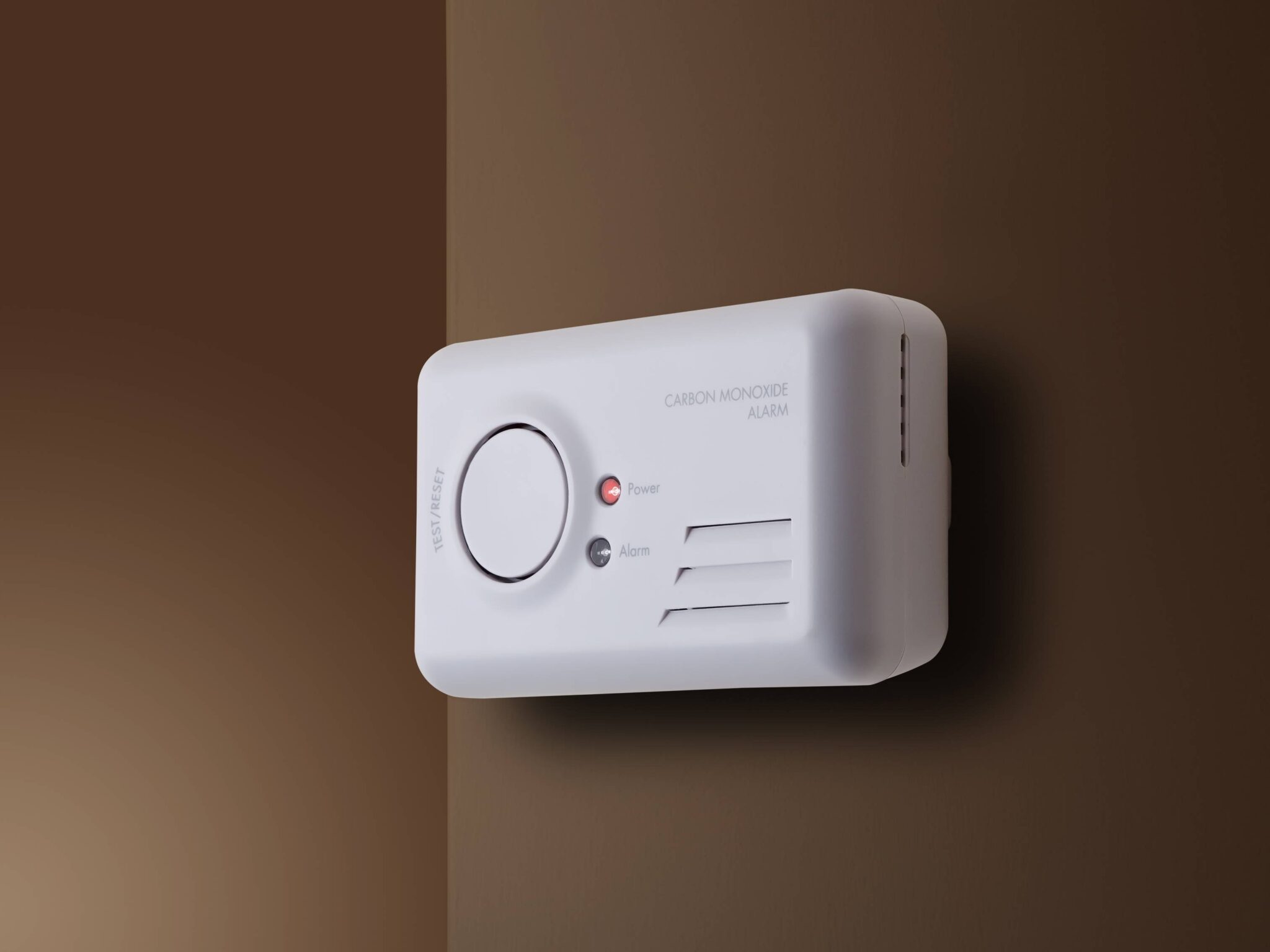
Smoke and carbon monoxide alarms are essential safety devices. They help protect homes from fire and dangerous gas leaks.
However, alarms only work properly when they are installed in the correct places and tested regularly. Understanding how smoke and carbon monoxide alarms work can help keep your home and family safe.
At NJR Electrical & Fire Ltd, we help homeowners and landlords install reliable alarm systems that improve safety and meet current regulations.
🔥 Why Smoke and Carbon Monoxide Alarms Are Important
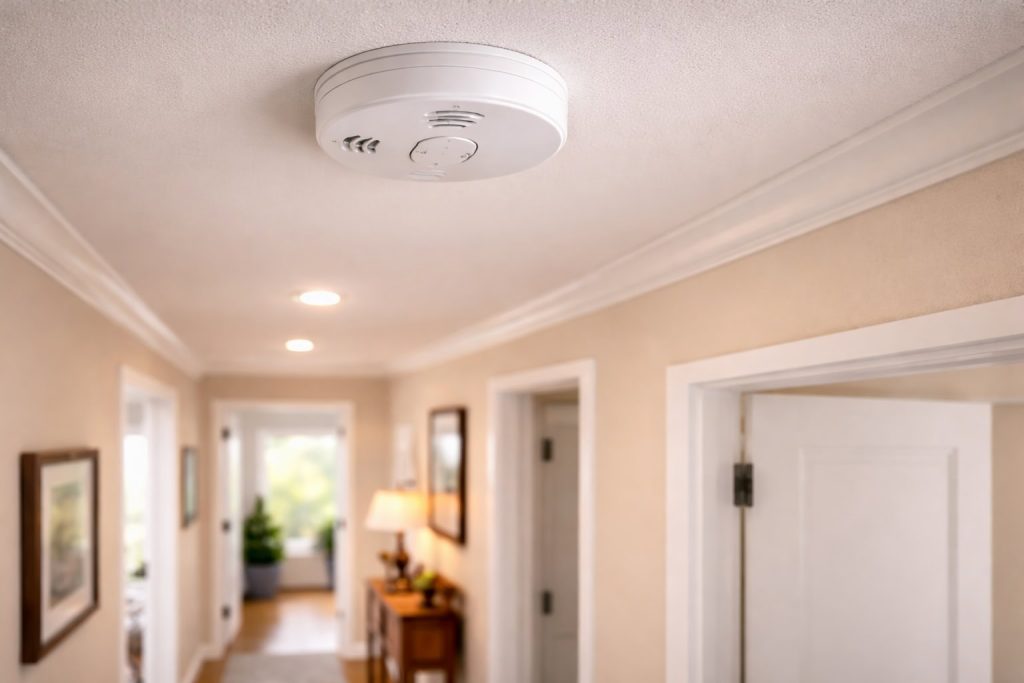
Smoke alarms detect fire in its early stages. As a result, they give people time to escape before smoke spreads through the property.
Carbon monoxide alarms work differently. They detect dangerous gas produced by faulty boilers or fuel-burning appliances.
Carbon monoxide is colourless and odourless. This means people cannot detect it without an alarm.
Because of this, both types of alarms are essential in any home.
🏠 Where Should Smoke Alarms Be Installed?
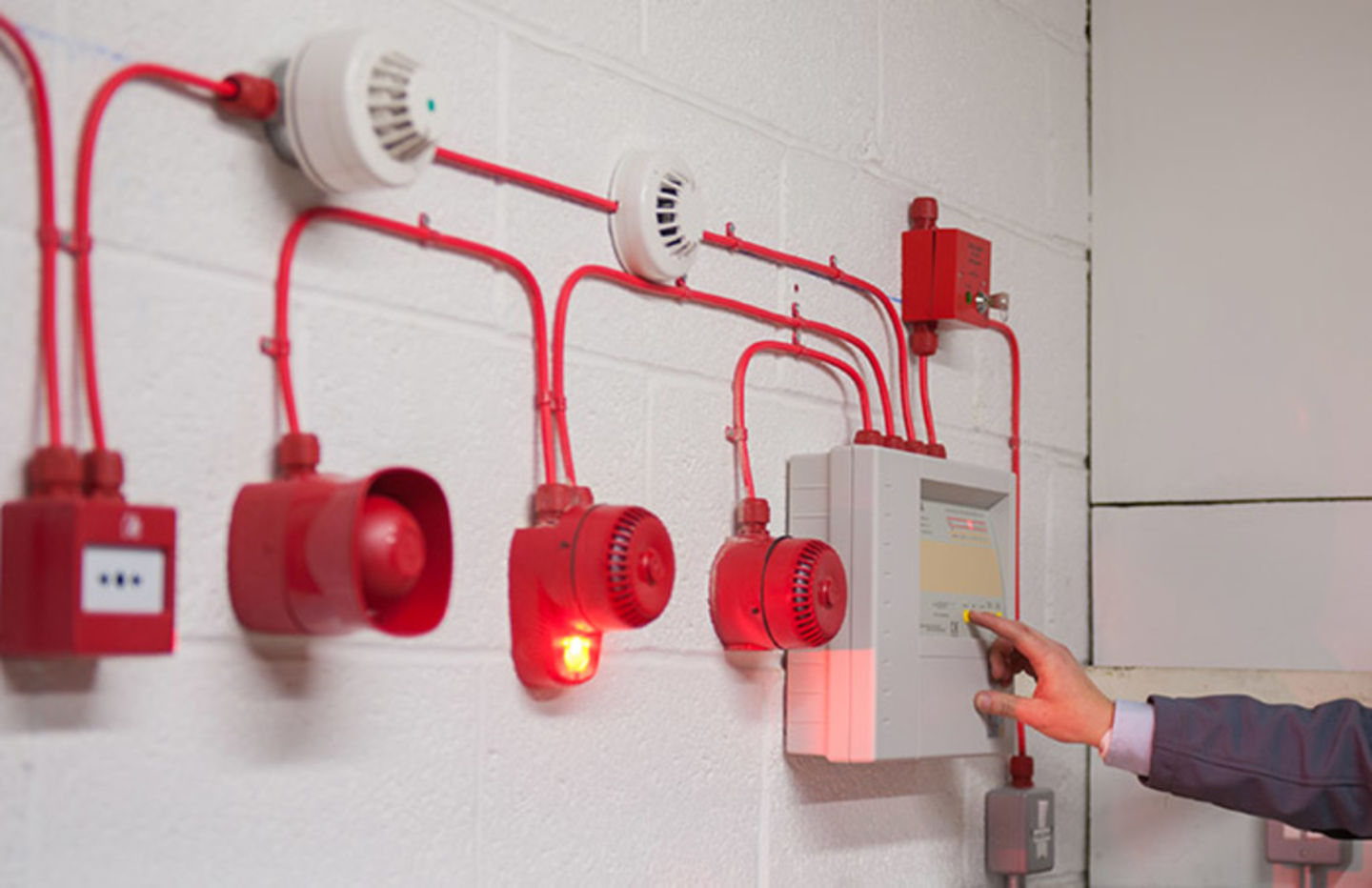
Smoke alarms should be placed in areas where they can detect smoke quickly and alert everyone in the property.
Recommended locations include:
- On every storey of the home
- In hallways and landing areas
- Near bedrooms
- In circulation spaces connecting rooms
Smoke alarms should usually be installed on the ceiling. They should also be kept away from windows, vents, or fans that could affect performance.
According to guidance from GOV.UK, landlords must install at least one smoke alarm on every storey of a rental property.
🛑 Where Should Carbon Monoxide Alarms Be Installed?
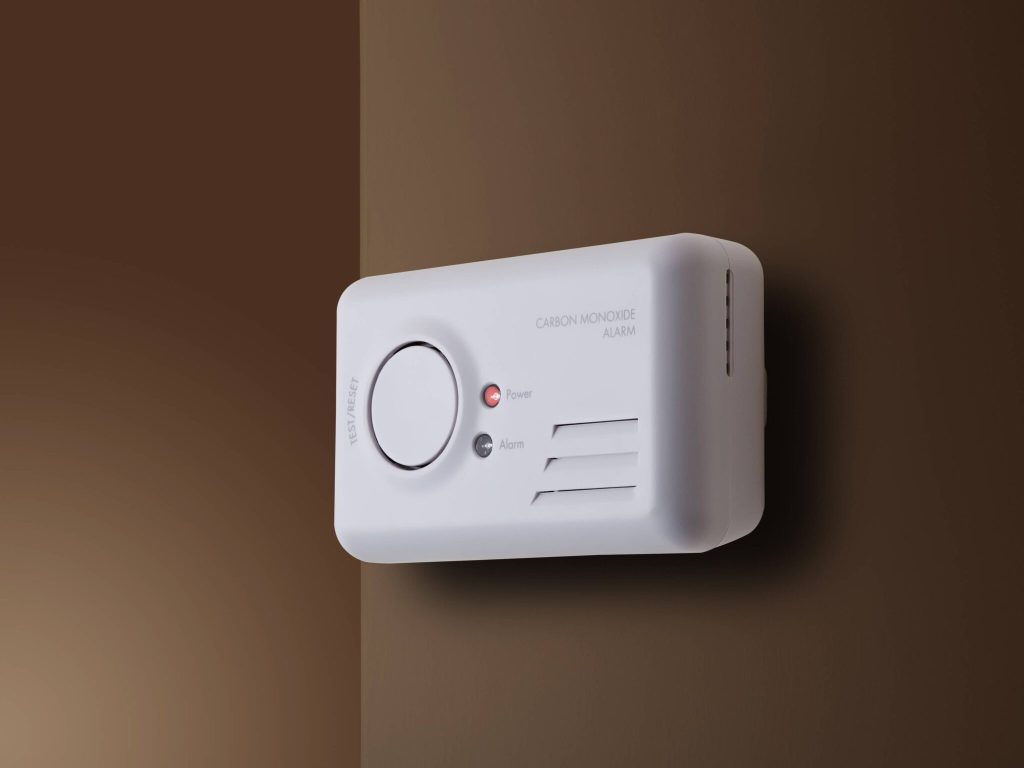
Carbon monoxide alarms should be placed in rooms that contain fuel-burning appliances.
Common examples include:
- Rooms with gas boilers
- Rooms with gas fires
- Rooms with wood-burning stoves
- Rooms with solid fuel burners
It is important to follow the manufacturer’s instructions when installing the alarm. Proper placement helps ensure the alarm detects gas as quickly as possible.
⏱️ How Often Should You Test Smoke and Carbon Monoxide Alarms?
Testing alarms regularly ensures they continue working correctly.
You should test smoke and carbon monoxide alarms:
- Once every month
- After changing batteries
- After returning from a long holiday
- After installing a new alarm
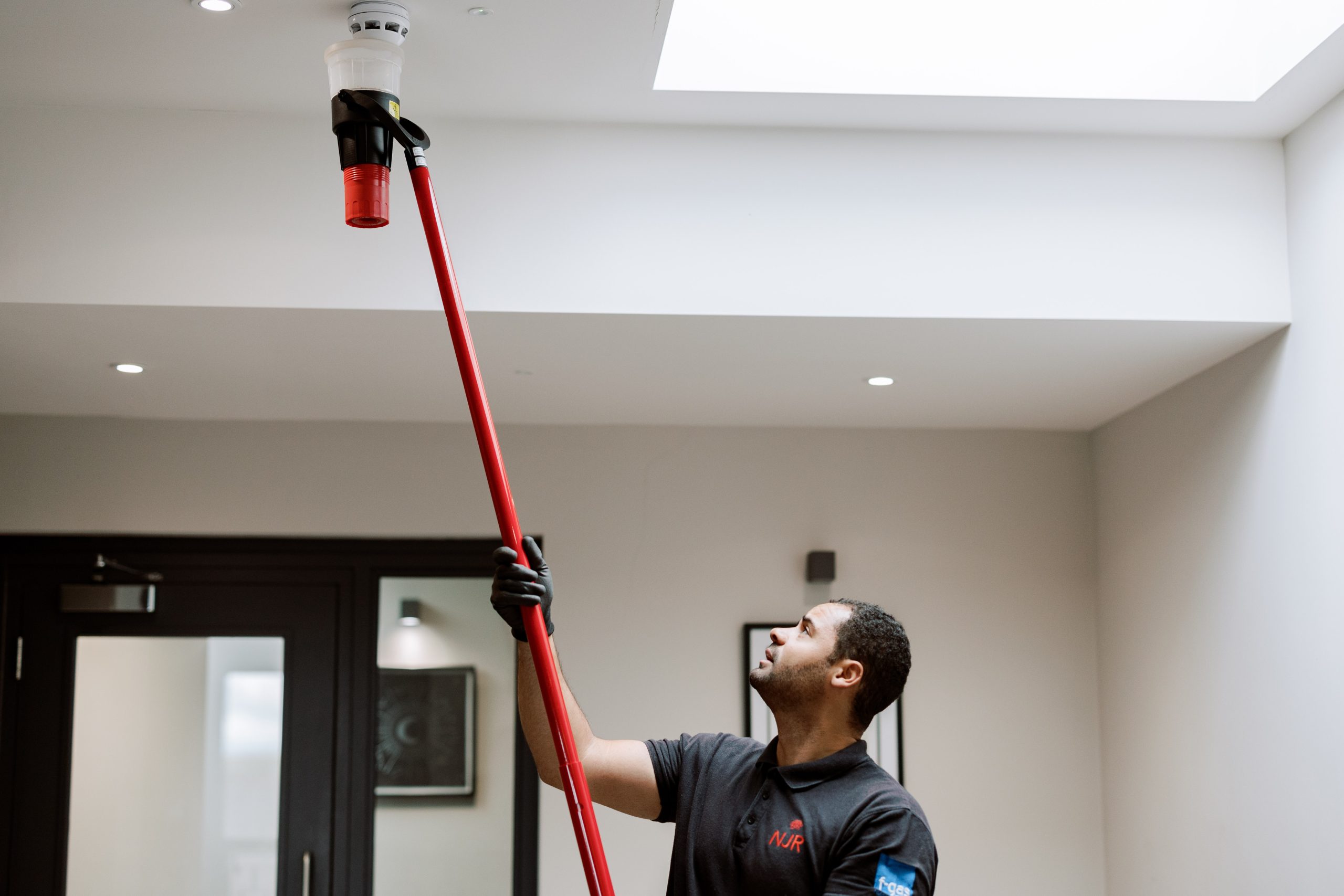
Most alarms have a simple test button. Pressing the button confirms that the alarm is working.
If the alarm does not respond, it should be replaced immediately.
🔧 When Should Alarms Be Replaced?
Even well-maintained alarms will not last forever.
Most manufacturers recommend:
- Replacing smoke alarms every 10 years
- Replacing carbon monoxide alarms every 5–10 years
If an alarm starts beeping or fails during testing, it may need new batteries or replacement.
🏡 Improving Fire Safety in Your HomeInstalling smoke and carbon monoxide alarms is one of the most effective ways to improve safety in your home.
Installing smoke and carbon monoxide alarms is one of the most effective ways to improve safety in your home.
However, there are other important steps you can take.
For example:
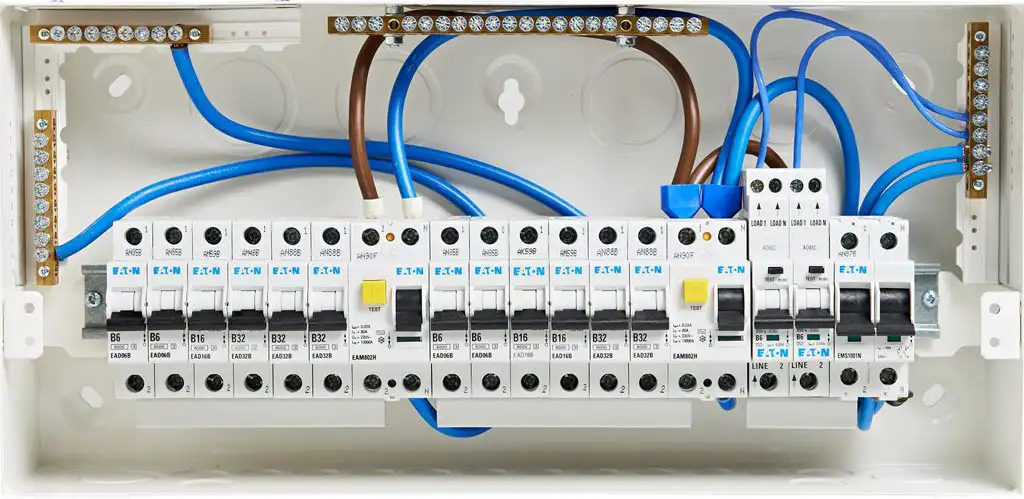
- Arrange regular electrical safety checks
- Avoid overloading sockets
- Maintain gas appliances properly
- Keep escape routes clear
Learn more about our Electrical Safety Inspection Services.
Need Help Installing Smoke and Carbon Monoxide Alarms?
Correct installation makes a big difference. Well-placed alarms provide early warning and help protect everyone inside the property.
If you want advice about alarm installation, upgrades, or electrical safety, professional guidance can help.
The team at NJR Electrical & Fire Ltd can assess your property and recommend the most suitable safety solutions. Contact us today.