Smoke detectors are indispensable, but let’s be honest: If your smoke alarm keeps chirping, it will drive you nuts. A continuous beep from a smoke detector can indicate a number of things. Changing the batteries or handling a possible fire hazard may be necessary. Having an understanding of the different kinds of beeping and preventing malfunctions will enable you to enjoy more peace.
Whether you need to respond quickly to an emergency or just want to silence the disruptive beeping, these simple ways will help you stop your smoke detector from beeping and chirping.
Smoke Detectors: Why Do They Beep?
When a smoke detector’s battery is weak, it is supposed to notify you. If this is the case, the battery releases more power, which raises the unit’s resistance, which is then raised by nighttime reductions in room temperature. The low battery beep is therefore audible. The noise may stop when the temperature starts getting warm in the morning.
Though, the purpose of smoke detectors is to warn you of possible issues and fire dangers. But they might also be triggered by installation problems and malfunctions.
The most common reasons of smoke detectors beeping include:
- The area has an imminent fire hazard.
- The battery for the smoke detector is either loose or improperly placed.
- The smoke detector’s detecting chamber could be contaminated.
- An alert could be triggered by environmental conditions like heat or humidity.
- In a new smoke detector, the pull-tab has not been taken out.
- The battery drawer is partially open.
- The smoke detector’s power could be cut off by an electrical issue.
- It’s probably time to replace the smoke detector because it’s getting too old.
Types of Smoke Detectors Beep
Different smoke detectors employ different alert mechanisms. Let’s explore the most typical types of smoke detector alerts:
Type 1: Continuous Beeping
The most frequent alert sound that smoke detectors emit is continuous beeping, which serves to draw your attention and push you to act right away when the detector detects smoke or a possible fire hazard.
Type 2: Chirping Sound
When your smoke detector starts to chirp, it usually means there is an issue with the unit. A sensor problem, an unsecured connection, or a malfunction could be the cause. You must respond to this warning as soon as possible to guarantee that your smoke detector is operating properly.
Type 3: Voice Alert
Some smoke detectors have voice alerts built in. These detectors employ recorded voices rather than beeps to convey precise information about the hazard they have discovered. Voice alerts have the potential to be more instructive and aid in your comprehension of the threat.
Type 4: Intermittent Beeping
A low-battery alert is frequently indicated by intermittent beeping. Your smoke detector will intermittently beep to let you know when the batteries are low, alerting you to the need to change them. If you disregard this warning, your safety may be jeopardized if your smoke detector stops working.
Type 5: Silence
Silence is the state in which your smoke detector is not making any noise; it is not an alert sound. This could indicate that there are no smoke or fire dangers observed and that the smoke detector is operating as intended.
How do you stop a smoke detector from beeping?
Did you know that the majority of smoke detectors emit multiple chirping sounds. By knowing what each sound means, you can react appropriately once you’ve identified the noise
By taking the proper steps, you can safely and successfully stop your alarm from beeping.

Steps to stop your Smoke Detector from Beeping
Smoke detectors and fire alarms are devices that help us live safer lives. Following the right steps will help you stop your alarm from beeping in a safe and efficient way.
Step 1: Configure the Beeping Type
Safety comes first when it comes to beeping smoke detectors. Start by determining the cause of the beeping sound coming from your smoke detector. Make sure to determine whether a malfunction or a potentially hazardous circumstance is the source of the beeping. Follow safety procedures and leave the premises if you decide the beeping is a legitimate warning.
If a problem or malfunction is most likely the reason for the beeping, you can proceed to the following steps.
Step 2: Find The Source
It can be challenging to find the smoke detector that is creating the chirping sound if your house or place of business has multiple smoke detectors. A single smoke detector beeping indicates that the issue is limited to that particular unit.
The synchronized activation of all your smoke detectors is an indication of a more serious issue that is more related to a bigger electrical issue than the device itself.
Step 3: Resolving the Issue
The smoke alarm will continue to chime if a solution is not found, much like a house alarm that has gone haywire. Smoke alarms occasionally even continue to beep without a battery. You can either hire an experienced technician to solve the issue or inspect the device yourself.
How can I Fix Common Smoke Alarm Chirping and Beeping?
A smoke alarm will usually beep once every 60 seconds for three main reasons.
- End of life signal
- Low battery
- Malfunction
However, there are a few more typical causes for smoke detectors to go off; we’ll discuss below how you can fix those common issues of smoke detector beeping or chirping.
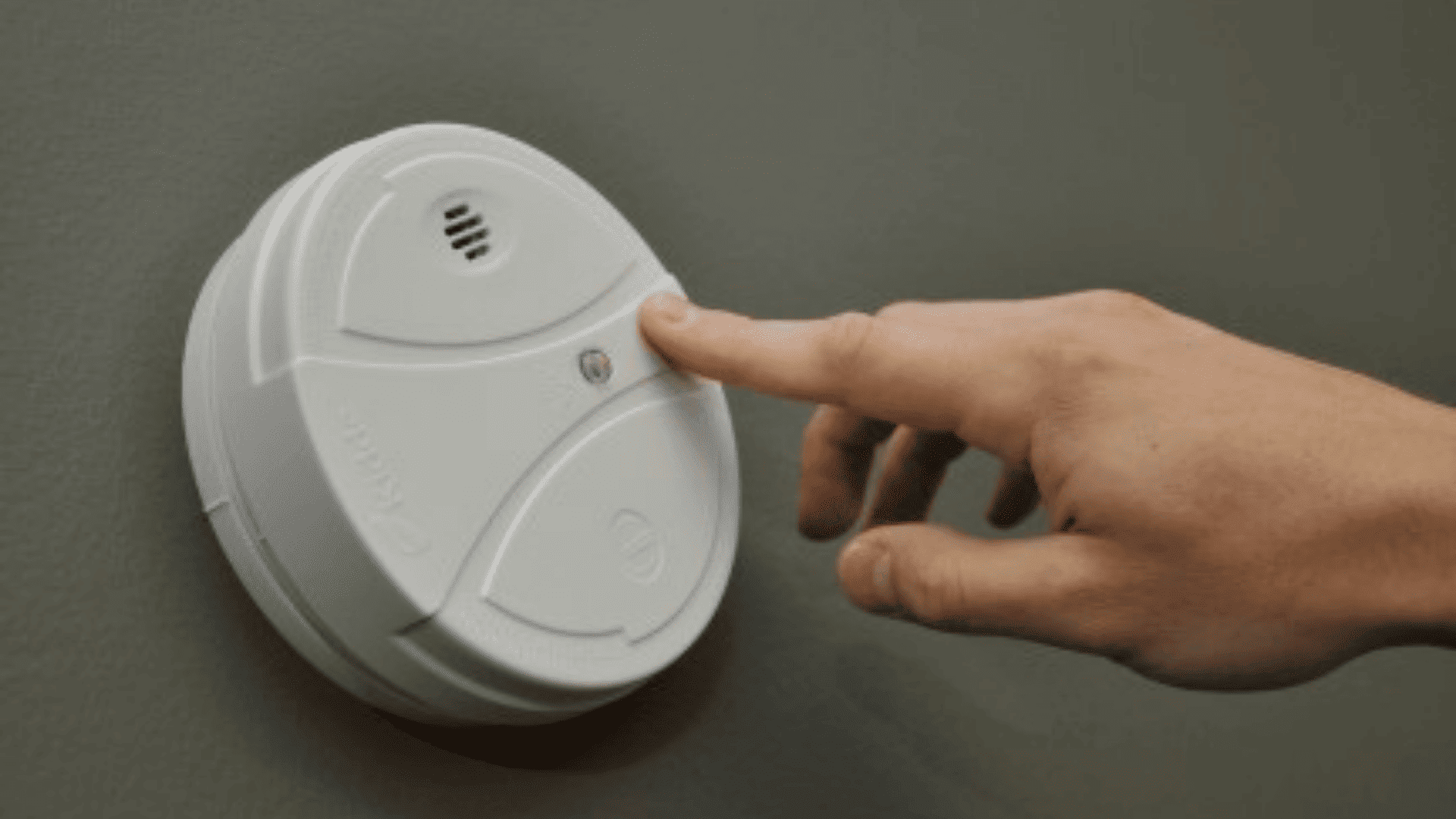
#1: Press the “test/reset” button.
#2: Switch out the battery.
#3: Perform a hard reset by cutting the power.
#4: Make sure the smoke detector is clean.
#5: Examine and clean the terminals on batteries.
#6: The smoke detector should be replaced.
#7: Check the electrical harness.
#8: Examine each smoke detector separately for issues. #9: Test the smoke detector.
Frequently Asked Questions (FAQS)
- What does a smoke detector’s two chirps indicate?
A low battery or a problem with the smoke alarm’s sensor is usually indicated by two brief chirps. First, reset the device and swap out the old battery with a new one.
- What is the lifespan of smoke detector batteries?
Six months. The battery for your smoke alarms should be changed every six months if they run on a nine-volt battery, and the alarm itself should be changed once every ten years. Lithium-powered fire detectors that last ten years won’t require a battery change.
- In what way can I check my smoke detector?
Once a month, test your smoke detectors. Simply press the test button once to confirm that the loud beep, beep, beep sound is audible. That means, it’s functioning.
Final Thoughts .
While there are many ways to keep your home safe from fire, smoke detectors are part of the first line of defence. To put it simply, smoke detectors can save your life. They do occasionally chirp, and it’s easy to become frustrated or annoyed by this behaviour. Instead of just changing the batteries or unplugging the alarm, you must identify and fix the issue so your detector will continue to function properly.